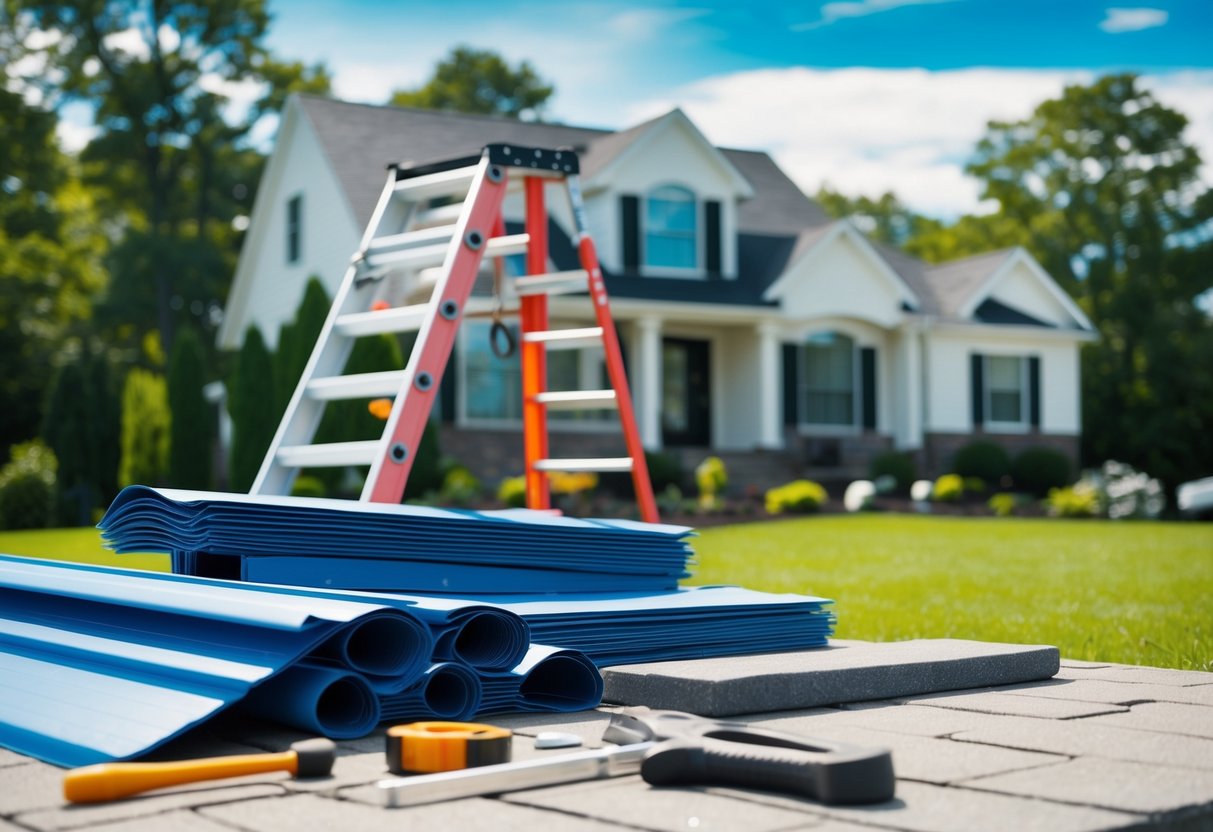
Replacing a roof can seem daunting and expensive, but there are ways to save money while ensuring the job is done right. The cheapest way to replace a roof is to consider options like installing an overlay of new shingles over the old ones or choosing affordable materials like asphalt shingles. With proper planning and research, homeowners can secure quality roofing without breaking the bank.
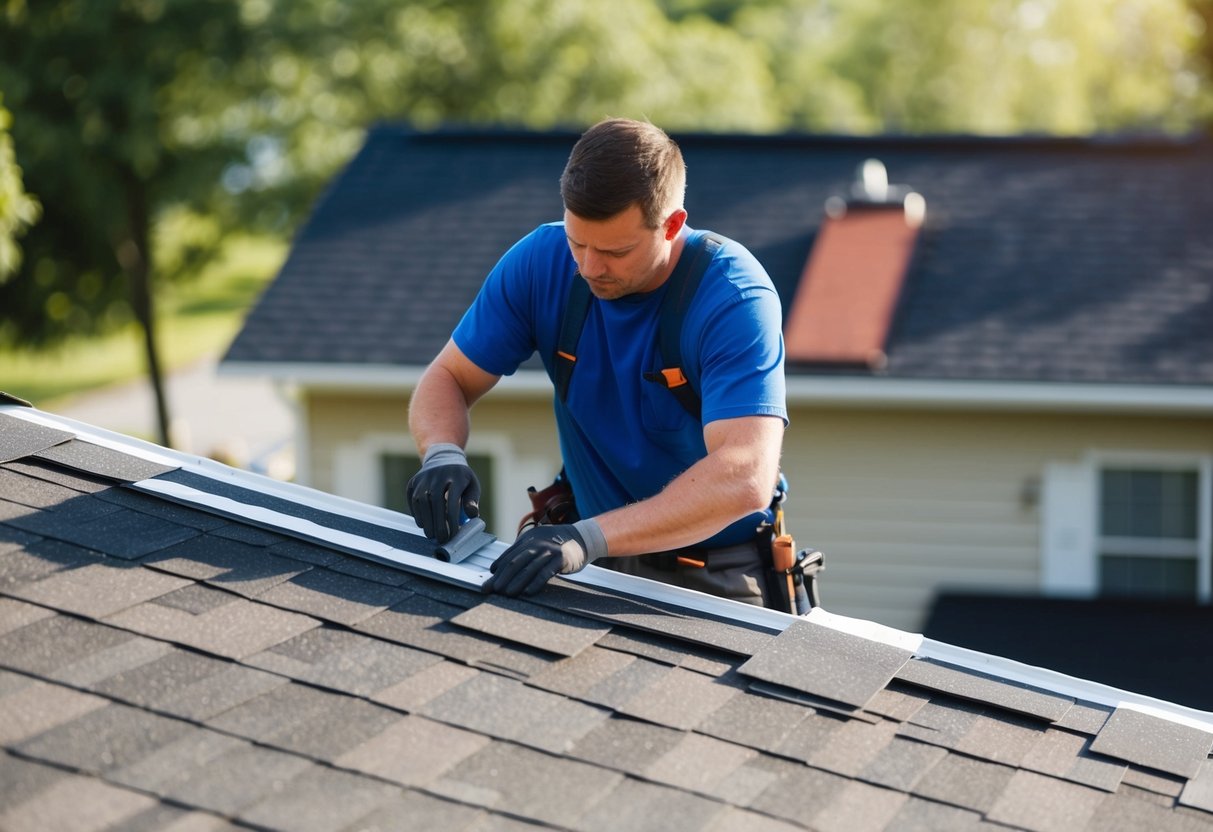
There’s also the possibility of taking advantage of seasonal discounts, particularly in winter when roofing projects frequently cost less due to lower demand. By comparing contractor rates and evaluating different materials, it’s possible to achieve a balance between quality and cost. Knowing where to cut costs and the best practices for roof replacement can make all the difference.
Homeowners often overlook hidden costs and long-term maintenance when budgeting for a roof. Understanding these factors upfront can lead to better choices that save money in the long run.
Key Takeaways
- Overlaying shingles can reduce replacement costs significantly.
- Choosing affordable materials like asphalt shingles is cost-effective.
- Seasonal discounts may lead to lower expenses for roof replacement.
Evaluating Roofing Materials
Choosing the right roofing material is crucial for a successful roof replacement. Different options come with their own set of advantages and costs. Here is a closer look at three popular roofing materials: asphalt shingles, metal roofs, and tile and slate options.
Asphalt Shingles
Asphalt shingles are known as one of the most affordable roofing choices. They come in different styles, including 3-tab shingles and architectural shingles.
- 3-tab shingles are typically cheaper, offering a flat appearance.
- Architectural shingles are thicker and provide better depth and durability, lasting up to 40 years.
These shingles are easy to install and repair, making them a popular choice for many homeowners. While they may need replacement every 15 to 30 years, their low upfront cost usually makes them appealing for budget-conscious owners.
Metal Roofs
Metal roofing is becoming increasingly popular due to its longevity and energy efficiency. It can be made from materials like aluminum, steel, or copper.
- Aluminum roofs are lightweight and resistant to rust.
- Steel roofs offer strength but may require rust-resistant coatings.
Metal roofs last longer than asphalt shingles, often exceeding 50 years. They reflect heat, helping to keep homes cooler in summer. However, the initial cost is higher than asphalt.
The long-term savings on energy bills can offset this expense over time.
Tile and Slate Options
Tile and slate roofs are durable and stylish choices.
- Clay tiles are heavy and can last more than 100 years if well maintained.
- Slate tiles are among the most durable options, also lasting over a century.
Both materials require a sturdy roof structure due to their weight. While the installation cost is higher, their longevity and unique appearance can enhance property value.
These materials are less common due to the cost, but they are ideal for those looking for a long-term investment.
Choosing between these materials depends on budget, aesthetic preferences, and how long the homeowner plans to stay in the house.
Understanding Roofing Costs
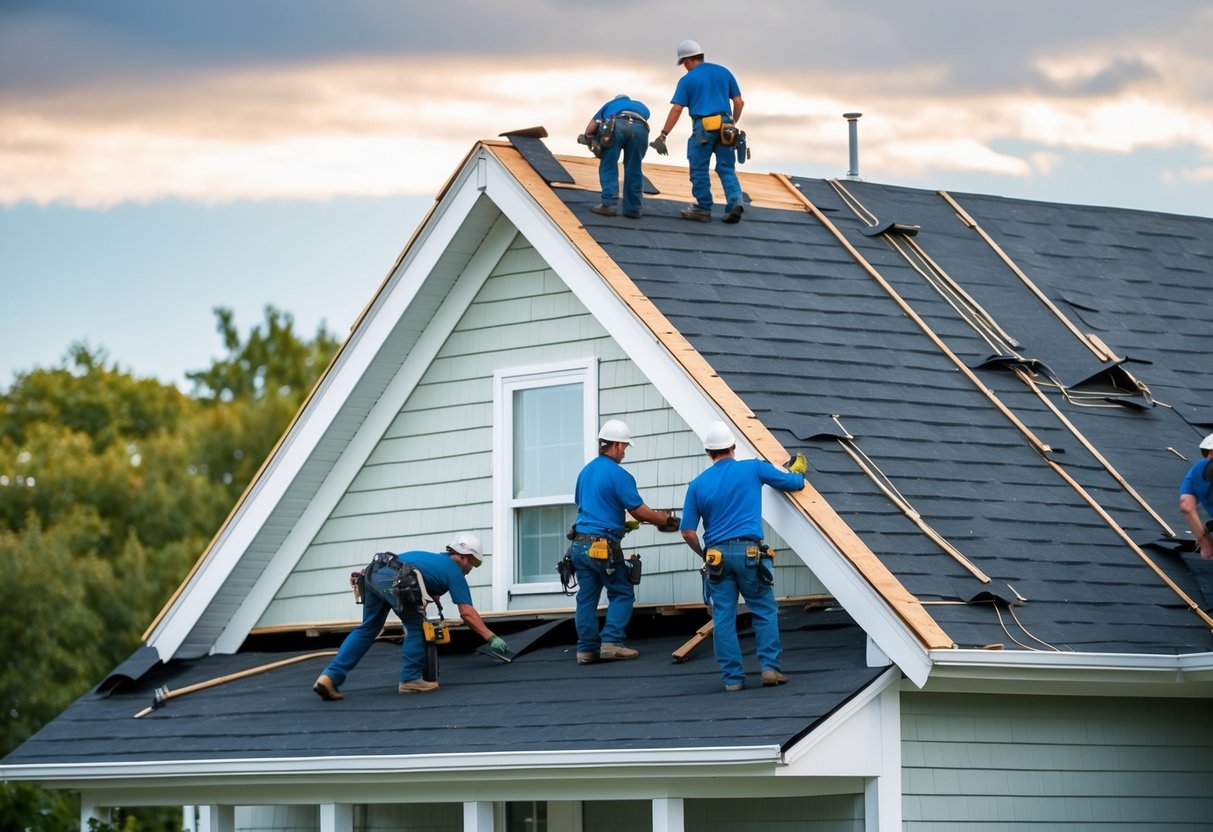
Roofing costs can vary widely based on several factors. Understanding these costs helps homeowners make informed decisions and budget effectively for their roofing project. Key areas to consider include the cost of materials, labor rates, and any additional expenses incurred during installation.
New Roof Cost
The average cost to replace a roof ranges from $6,000 to over $50,000. Various factors influence this cost, including:
- Material Type: Asphalt shingles are usually cheaper, while materials like slate or metal can be more expensive.
- Roof Size: Larger roofs will naturally cost more due to material and labor needs.
- Complexity: Roofs with multiple angles or levels increase labor time and difficulty.
Homeowners may use a roofing calculator to estimate costs based on these factors. For budgeting purposes, he can expect to pay around $11,000 on average for a roof replacement.
Labor Costs and Rates
Labor costs typically represent a significant portion of roofing expenses. Rates can vary based on:
- Location: Urban areas may have higher labor rates compared to rural locations.
- Experience: Skilled roofers may charge more for their expertise.
On average, labor rates can range from $50 to $100 per hour. A skilled team can complete the job more efficiently, potentially saving time and money. Additional fees may include costs for inspections and permits, which are essential for any roofing project.
Additional Expenses
In addition to materials and labor, several extra expenses may arise. These include:
- Inspection Fees: Ensuring the roof meets local codes may require hiring an inspector.
- Tipping Fees: Disposal of old roofing materials can incur dumping fees at landfills.
- Future Repairs: Planning for unexpected repairs in the future should also be considered.
It’s important for homeowners to factor in these potential costs when budgeting for a roof replacement. Keeping these additional expenses in mind helps create a more accurate financial plan for the project.
Choosing Roofing Contractors
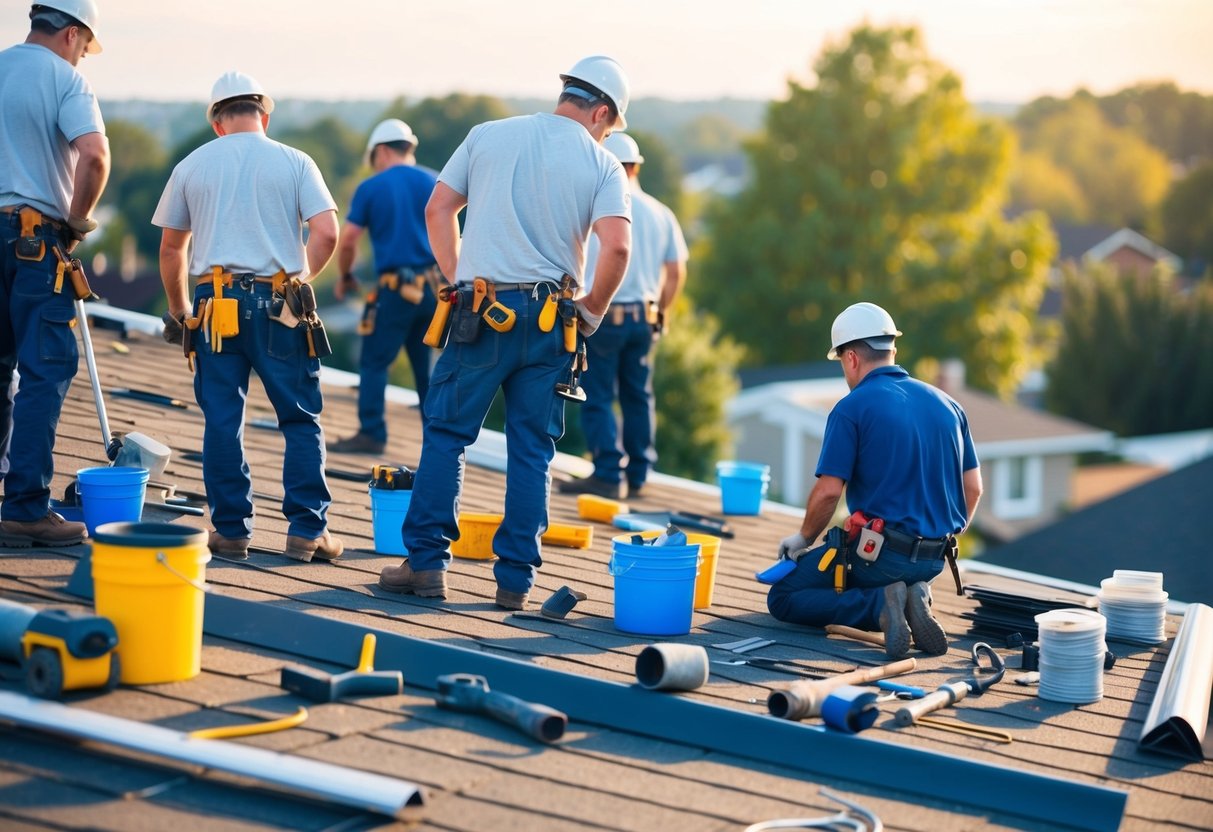
Finding the right roofing contractor is crucial for a successful roof replacement. Selecting the right company and knowing how to negotiate can save money and ensure quality work.
Selecting the Right Contractor
To choose a reliable roofing contractor, start by gathering recommendations from friends and family. Look for local companies with strong reputations. Online reviews on platforms like Yelp and Angie’s List can provide insights into their past work.
Verify each contractor’s license and insurance. This protects homeowners in case of accidents or damages during the project. Ask for a detailed written estimate that outlines costs, materials, and timeline.
It’s wise to get quotes from at least three different contractors. This allows for better comparison of prices and services. Trustworthy contractors are generally open to answering questions and explaining their processes.
Negotiating with Roofing Companies
Once a contractor is chosen, homeowners can negotiate terms to get the best deal. Start by discussing the written estimate. Asking about discounts or promotions can lower the price.
Don’t hesitate to mention other estimates received. Some contractors may adjust their pricing to stay competitive. It’s important to be clear about the financial limits before work begins.
Discussing payment plans is also essential. Many companies offer finance options for those on a budget. Finally, securing a written contract is crucial. It should outline all agreed terms and conditions to avoid misunderstandings later on.
Additional Considerations
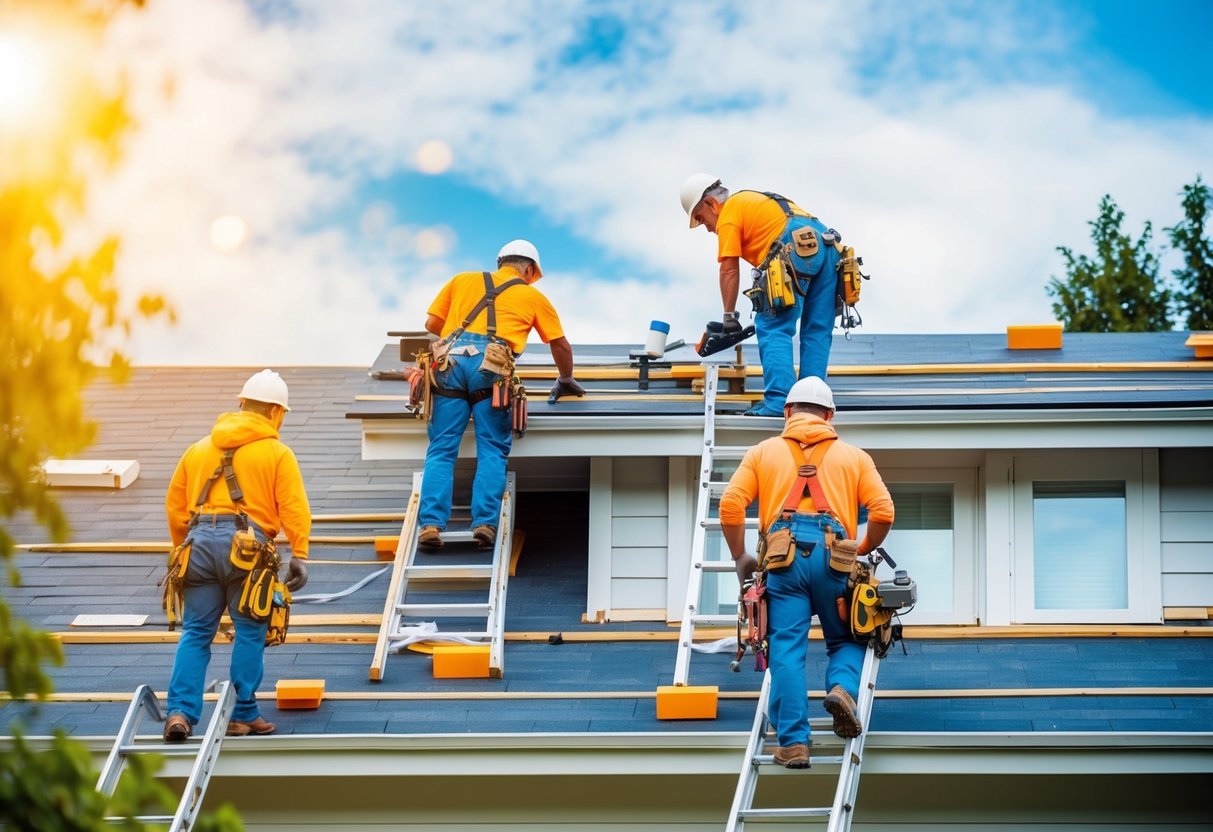
When planning a roof replacement, several important factors can influence both cost and effectiveness. These include the choice of accompanying features and ensuring proper ventilation and insulation. Addressing these considerations can lead to a more efficient roofing project.
Accompaniments and Features
Choosing the right roof features can enhance durability and safety. Properly installed gutters are essential for directing water away from the foundation. Neglected gutters can cause leaks or damage to walls and ceilings.
Skylights add natural light but require careful installation to prevent leaks. Proper placement is crucial for achieving effective insulation.
When considering a partial roof replacement, matching new materials with existing ones can be challenging. Differences in color and texture may affect aesthetics.
Chimneys and ridge venting must be addressed during replacement. Ensuring they are adequately sealed will prevent water intrusion and promote better air flow.
Ventilation and Insulation
Proper ventilation is critical for extending roof life. It helps prevent moisture buildup, which can lead to mold and rot. A roof pitch that allows for good air flow is important.
Insulation plays a significant role in energy efficiency. A well-insulated roof reduces heating and cooling costs.
Using roofing membranes can enhance waterproofing and insulation properties. These membranes create barriers to moisture while allowing vapor to escape.
Selecting the right materials can impact both costs and performance. Investing in good ventilation and insulation can save money in the long run through reduced energy expenses and maintenance needs.
Frequently Asked Questions
Many factors influence the cost of roof replacement, including materials, timing, and available financial assistance. Understanding these elements can help homeowners make informed decisions.
What are affordable roofing materials for roof replacement?
Affordable roofing materials include asphalt shingles, corrugated metal panels, and rolled roofing. Asphalt shingles are popular due to their low cost and ease of installation.
Corrugated metal panels are another cost-effective option that provides durability. Rolled roofing is often used for low-slope roofs and is one of the cheapest materials available.
How can individuals find financial assistance for roof repairs?
Individuals can find financial assistance through various roofing companies offering financing options. Additionally, some charities and non-profits provide grants for those who qualify based on income. Local government programs may also help low-income residents with roofing costs.
What are the cost factors to consider when replacing a roof?
Several cost factors affect roof replacement, including the size of the roof, the type of materials chosen, and the complexity of the job. Labor costs can also vary depending on the roofing company and regional market prices.
Homeowners should also consider any necessary repairs to the roof deck or structure beneath the shingles.
Can the timing of roof replacement affect the overall cost?
Yes, the timing of roof replacement can significantly impact the cost. Winter is typically the cheapest time to replace a roof since it is the slowest season for roofing companies.
Spring and summer might see higher prices due to increased demand.
What are some cost-effective strategies for roof replacement?
Homeowners can save money by obtaining multiple estimates from different contractors. They can also explore doing minor repairs themselves and choosing budget-friendly materials.
Opting for an overlay, which involves placing new shingles on top of existing ones, can also be a cost-effective strategy.
How do roof replacement costs vary by house size?
Roof replacement costs generally increase with house size. Larger roofs require more materials and labor, which raises the overall price.
Homeowners should obtain specific quotes based on their house size to understand the potential costs better.


