
Living in Texas means your roof faces some tough challenges from scorching sun to damaging hailstorms. Many homeowners wonder when they should plan for a roof replacement to avoid costly water damage or emergency repairs.
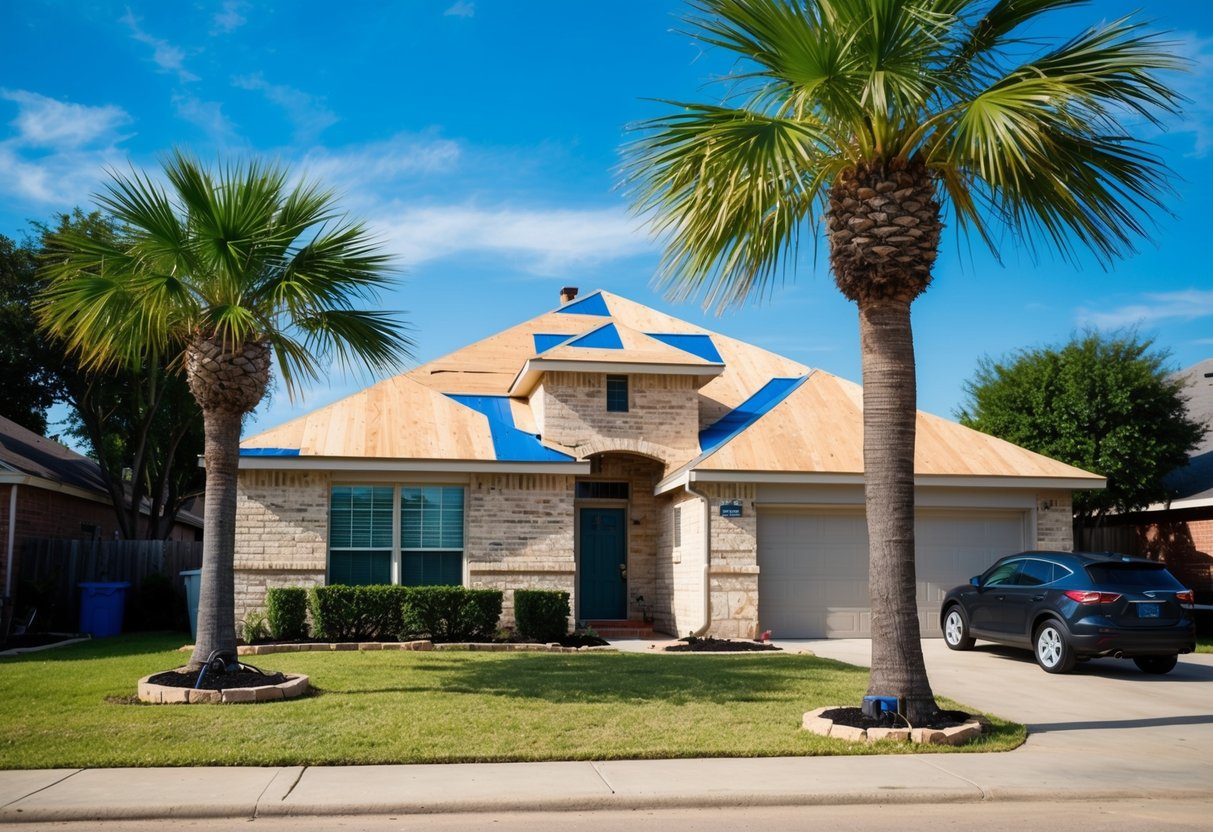
Most asphalt shingle roofs in Texas typically need replacement every 15-20 years, though severe weather can significantly shorten this lifespan. Different roofing materials offer varying durability, with metal roofs lasting 40-70 years even in Texas conditions. If your roof is over 20 years old, it’s generally wise to consider replacement, especially if you notice missing shingles, leaks, or granules collecting in your gutters.
Your local climate matters too. West Texas homeowners may see longer roof lifespans due to drier conditions, while those in more humid or storm-prone areas might need more frequent replacements. Regular inspections after major storms can help you catch problems early and make informed decisions about when to replace your roof.
Key Takeaways
- Asphalt shingle roofs generally last 15-20 years in Texas, while metal roofs can last 40-70 years despite harsh weather conditions.
- Signs like missing shingles, water stains, and granules in gutters indicate it’s time to consider a roof replacement.
- Regular maintenance and professional inspections after storms can extend your roof’s lifespan and help you plan for replacement.
Factors Influencing Roof Longevity in Texas
Several key elements determine how long your roof will last in the Lone Star State. The material you choose, Texas’s unique climate conditions, and even the color of your roof all play significant roles in determining when you’ll need a replacement.
Material Durability
Different roofing materials offer varying lifespans for Texas homes. Asphalt shingles, the most common choice, typically last between 10-30 years depending on quality and installation. These shingles are economical but have the shortest lifespan.
Metal roofing systems demonstrate impressive longevity, lasting 40-70 years with proper maintenance. Their durability makes them increasingly popular despite higher upfront costs.
Clay and concrete tiles excel in Texas conditions, potentially lasting 50-100 years when correctly installed. These materials withstand heat well and resist damage from intense sunlight.
Cedar shingles offer natural beauty and moderate durability but require more maintenance in Texas climates. Their lifespan varies based on exposure to humidity and sun.
Impact of Texas Climate
Texas weather presents unique challenges for roofing materials. Intense summer heat accelerates deterioration of many roofing materials, especially asphalt shingles.
Hurricane-force winds along coastal areas can damage or remove roofing materials. Homes in these regions often need more frequent inspections and earlier replacements.
Hailstorms, common in North and Central Texas, can severely impact roof integrity. Even a single severe hailstorm might necessitate replacement of an otherwise healthy roof.
Humidity levels vary across Texas regions, affecting how materials age. Eastern and coastal areas with higher humidity often see more issues with mold and algae growth on roofing.
Roof Color and Heat Retention
Light-colored roofing materials reflect sunlight and heat, potentially extending roof lifespan by 2-5 years in Texas. They reduce thermal expansion and contraction cycles that weaken materials over time.
Dark roofs absorb more heat, which can raise attic temperatures by 20-40°F above ambient temperature. This increased heat accelerates aging of roofing materials and may shorten lifespan.
Energy-efficient “cool roof” technologies incorporate reflective materials regardless of color. These specialized materials can extend roof life while maintaining aesthetic preferences.
Proper attic ventilation works with roof color to manage heat. Even lighter-colored roofs will deteriorate faster without adequate ventilation to release trapped heat.
Signs It’s Time for a Roof Replacement
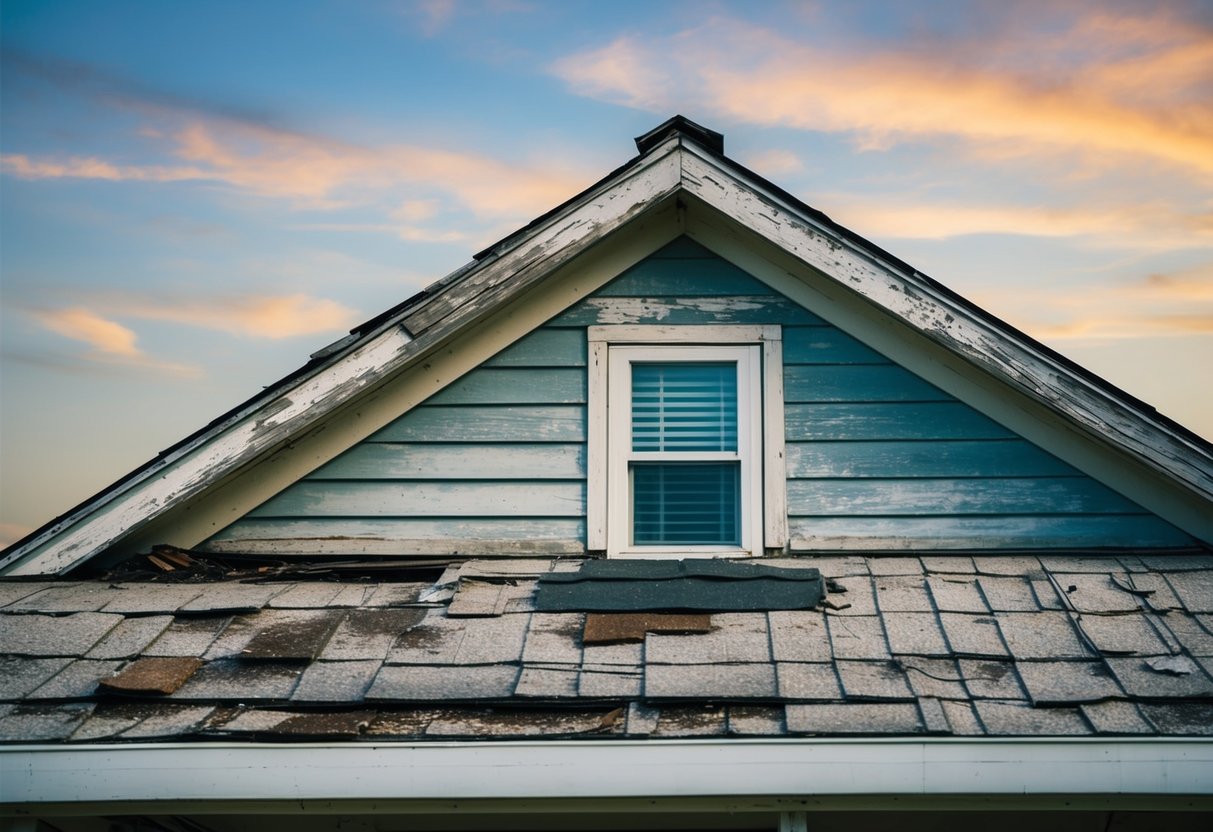
Recognizing the warning signs of a failing roof can save Texas homeowners from costly water damage and structural issues. Knowing what to look for during regular roof inspections can help you make timely decisions about repairs or replacement.
Visual Inspection Cues
Missing or damaged shingles are one of the most obvious signs that your roof needs attention. Look for shingles that are cracked, curled, buckling, or missing entirely. These issues expose your roof to water damage and further deterioration.
Granule loss is another important indicator. Check your gutters and downspouts for accumulation of granules from asphalt shingles. Heavy granule loss means shingles are nearing the end of their useful life.
Discoloration and dark streaks on your roof often indicate algae growth or moisture issues. While sometimes this can be cleaned, persistent discoloration might signal deeper problems.
Sagging areas on your roofline are serious red flags that shouldn’t be ignored. A straight roofline is essential; any noticeable dips or waves suggest structural problems.
Structural Damage Indicators
Ceiling stains or water spots inside your home often trace back to roof problems. These yellowish or brownish marks indicate water is penetrating your roof and making its way into your living space.
Light showing through the roof boards in your attic is a definite warning sign. Inspect your attic on a sunny day with the lights off to spot any pinpoints of light coming through.
Rotting roof boards or rafters signal advanced damage that requires immediate attention. Wood rot compromises the structural integrity of your entire roofing system.
High energy bills might seem unrelated, but poor roof condition can affect your home’s insulation. If your heating or cooling costs have increased significantly, your roof might be allowing air to escape.
Leakage and Water Damage
Active leaks during rainstorms are obvious signals that your roof needs replacement. Even small drips can lead to significant damage over time and shouldn’t be ignored.
Mold or mildew growth in your attic or on interior walls often stems from roof leaks. These fungi thrive in damp environments created by water infiltration through damaged roofing.
Peeling paint or wallpaper near ceilings frequently indicates water seepage from roof leaks. The moisture weakens adhesives and causes decorative surfaces to separate from walls.
Damp insulation in your attic is a key indicator of roof leaks. When inspecting, wear protective gear and check insulation for moisture, which reduces its effectiveness and promotes mold growth.
Average Roof Lifespan in Texas by Material
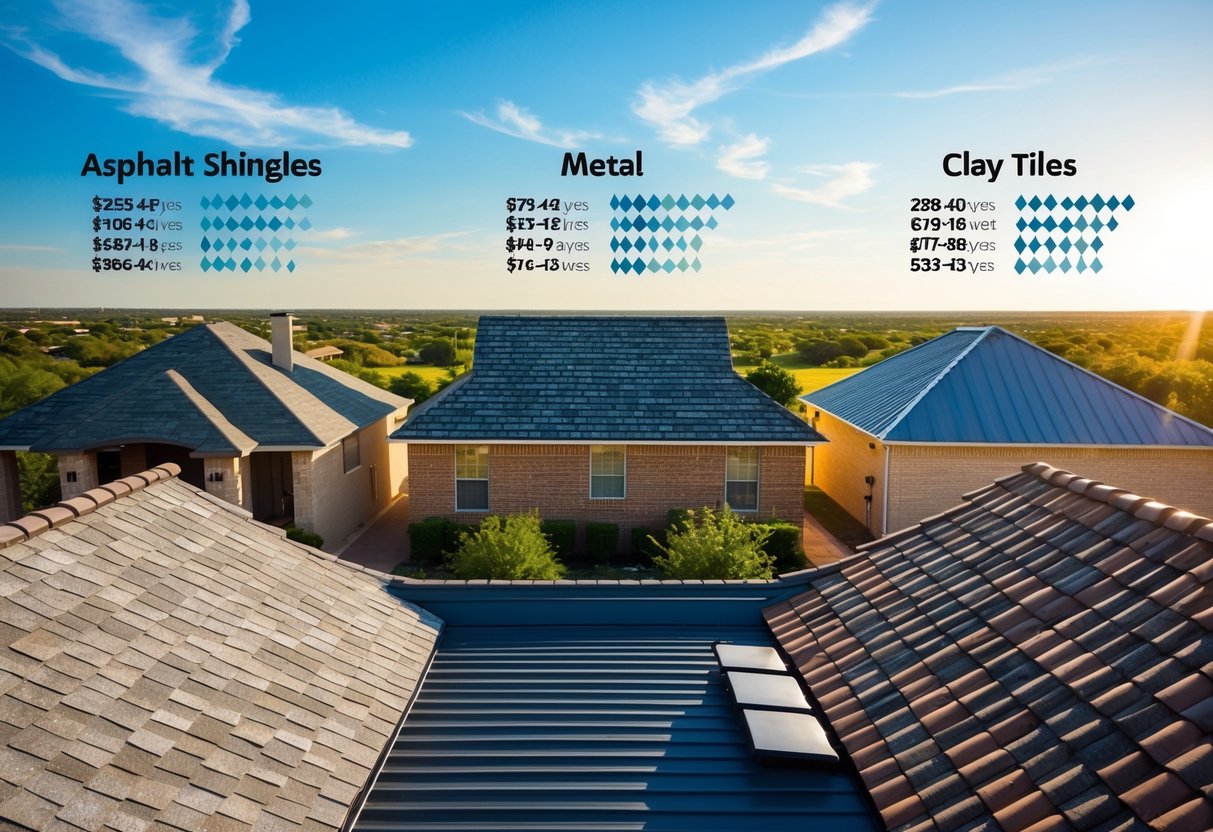
Texas weather conditions can be tough on roofing materials, with intense sun, hail, and occasional hurricanes affecting how long your roof will last. Different materials offer varying lifespans and levels of durability against these harsh elements.
Asphalt Shingles
Asphalt shingles are the most common roofing material in Texas due to their affordability. In Texas, these roofs typically last between 15-20 years, which is shorter than the national average of 20-30 years.
The hot Texas sun accelerates the aging process of asphalt shingles, causing them to deteriorate faster than in cooler climates. Frequent hailstorms can also damage these shingles, leading to earlier replacement needs.
Higher-quality architectural or dimensional shingles may extend this lifespan to 25 years with proper maintenance. Regular inspections after major storms are essential, as damage might not be immediately visible.
Cost-effectiveness rating: Medium
Maintenance needs: Moderate
Metal Roofing
Metal roofs have become increasingly popular among Texas homeowners due to their exceptional durability. These roofs typically last 40-50 years, with some premium systems lasting up to 70 years with proper care.
Metal roofing stands up well to Texas heat, reflecting sunlight rather than absorbing it. This helps improve energy efficiency and reduces cooling costs during hot summers.
While more expensive initially, metal roofs require minimal maintenance and resist damage from hail and high winds better than asphalt. Many metal roofing products come with lengthy warranties, often 30+ years.
Cost-effectiveness rating: High
Maintenance needs: Low
Tile Roofs
Clay and concrete tile roofs are excellent choices for Texas homes, lasting 50+ years when properly installed and maintained. The tiles themselves can last even longer, often 75-100 years.
Tile roofs handle the Texas heat exceptionally well and provide excellent insulation. They’re also highly resistant to rot, insect damage, and fire.
The main vulnerability of tile roofs in Texas is impact damage from hail. While the tiles are durable, severe hailstorms can crack them, requiring replacement of individual tiles.
The supporting structure may need repair or replacement before the tiles themselves wear out, as the weight of tiles puts stress on roof supports.
Cost-effectiveness rating: High
Maintenance needs: Low to moderate
Slate Roofing
Slate roofing provides the longest lifespan of any roofing material in Texas, typically lasting 75-100 years, with some slate roofs surviving for over a century.
This natural stone material handles Texas weather conditions extremely well. It’s completely fireproof and highly resistant to extreme temperatures and moisture.
The initial cost of slate is the highest among common roofing materials, but its exceptional longevity makes it cost-effective over time. A slate roof might last through multiple homeownerships.
Slate is heavy and requires specialized installation, but its resistance to Texas storms makes it worthwhile for luxury homes or historic renovations.
Cost-effectiveness rating: Very high (long-term)
Maintenance needs: Very low
Proper Maintenance to Extend Roof Life
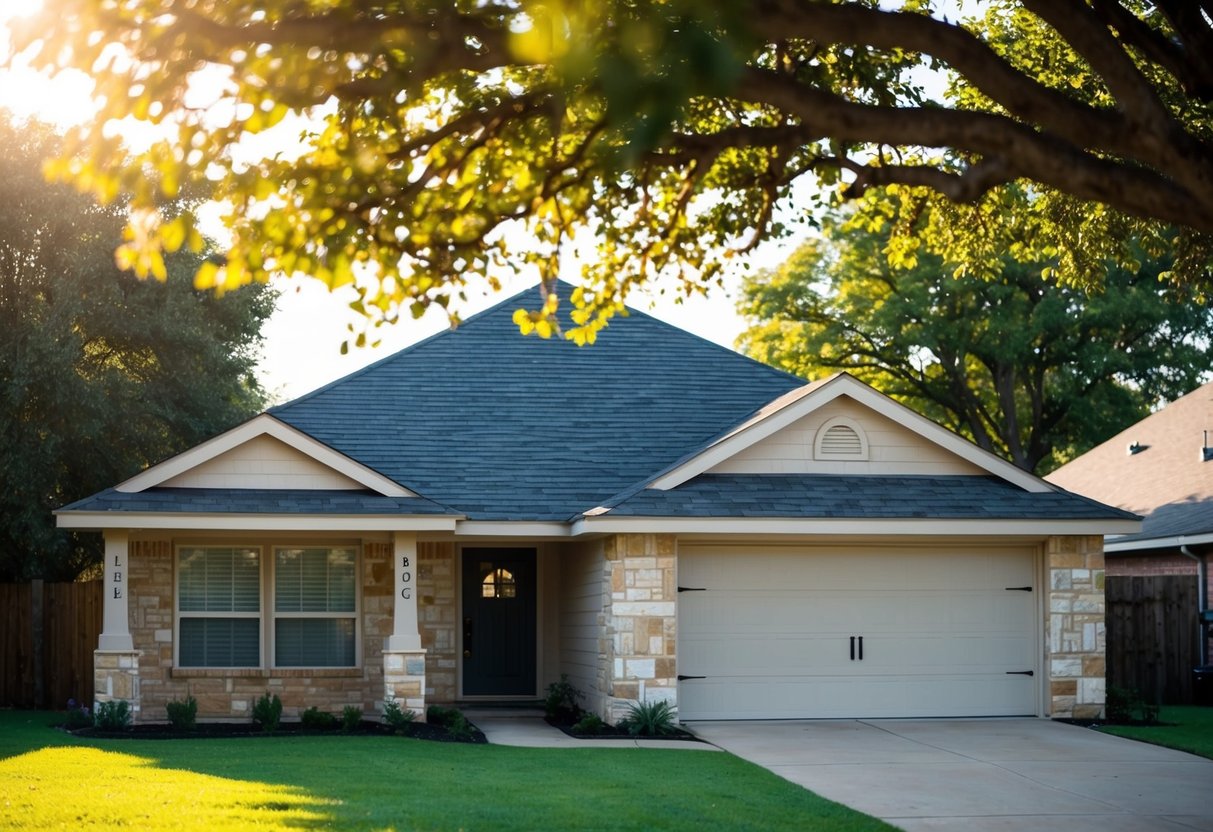
Regular maintenance can significantly extend your roof’s lifespan in Texas, potentially adding 5-10 years before replacement becomes necessary. Well-maintained roofs withstand harsh weather conditions better and help homeowners avoid costly emergency repairs.
Routine Inspections
Inspect your roof at least twice a year—ideally in spring and fall—when weather conditions are mild. Look for missing, cracked, or curled shingles, which indicate damage that needs attention.
Check for water stains or leaks in your attic and ceilings, as these are early warning signs of roof problems. After severe storms, conduct additional inspections to identify any new damage.
Professional inspections are recommended every 2-3 years. Professionals can spot issues that untrained eyes might miss, such as:
- Early signs of structural weakness
- Flashing deterioration around chimneys and vents
- Minor leaks before they become major problems
Document all inspections to track your roof’s condition over time.
Dealing with Debris
Remove leaves, branches, and other debris from your roof regularly. In Texas, this is especially important during fall and after storms.
Debris traps moisture against your roof, which can lead to:
- Mold and algae growth
- Premature shingle deterioration
- Water damage to underlying structures
Clean your gutters and downspouts at least twice a year. Clogged gutters cause water to back up onto the roof, potentially damaging the edge of your roofing materials and fascia boards.
For steep or high roofs, consider hiring professionals for debris removal. Their equipment and expertise make the job safer and more thorough.
Preventative Measures
Trim overhanging branches to prevent them from scratching or dropping debris on your roof. Aim to keep branches at least 10 feet away from your roof surface.
Ensure proper attic ventilation and insulation. Good airflow prevents moisture buildup and reduces heat accumulation that can warp shingles. In Texas, where temperatures regularly exceed 90°F, proper ventilation can lower attic temperatures by up to 30 degrees.
Apply roof treatments as needed:
- Algae-resistant treatments for humid areas
- Waterproof sealants for vulnerable spots
- Reflective coatings to reduce heat absorption (especially helpful in South Texas)
Check and repair flashing around chimneys, vents, and skylights. These junction points are common sources of leaks if not properly maintained.
Choosing a Replacement Roof
When it’s time for a new roof in Texas, several important factors will influence your decision. The right materials, qualified contractors, and proper warranties can make a significant difference in your roof’s performance and longevity.
Evaluating Roofing Contractors
Start by creating a list of potential roofing contractors with proper licensing and insurance in Texas. Ask neighbors, friends, and family for recommendations of roofers they’ve had good experiences with.
Check each contractor’s reputation through the Better Business Bureau and online reviews. Look for companies with at least 5 years of experience in Texas roofing.
Request detailed written estimates from at least three contractors. These should include materials, labor costs, timeline, and cleanup details.
Don’t automatically choose the lowest bid. Quality workmanship often costs more but saves money in the long run by preventing future problems.
Ask to see examples of completed projects similar to yours and speak with previous customers if possible.
Understanding Warranty and Insurance
Most quality roofing systems come with two warranties: the manufacturer’s warranty for materials and the contractor’s warranty for workmanship. Material warranties typically range from 20-50 years depending on the roofing type.
Contractor workmanship warranties vary widely from 2-25 years. Get this warranty in writing and understand exactly what it covers.
Ensure your contractor carries both liability insurance and workers’ compensation. Request certificates of insurance and verify their validity before work begins.
Check if your homeowner’s insurance offers discounts for impact-resistant roofing materials, which are valuable in Texas’s hail-prone regions.
Keep all warranty documentation in a safe place and know the process for filing claims if needed.
Considering Energy Efficiency
In Texas’s hot climate, energy-efficient roofing can significantly reduce cooling costs. Look for materials with high solar reflectance that minimize heat absorption.
Metal roofing with reflective coatings can reflect up to 70% of solar heat. These roofs may last up to 75 years with proper maintenance.
Consider “cool roof” shingles designed specifically for hot climates. These specialty shingles can lower roof surface temperatures by up to 50°F.
Proper attic ventilation works with your roofing material to improve energy efficiency. Discuss ventilation options with your contractor.
Some energy-efficient roofing materials qualify for tax incentives or utility rebates. Research current programs through Energy Star or your local utility company.
Frequently Asked Questions
Many Texas homeowners have questions about when to replace their roofs due to the state’s unique climate challenges. Understanding roof lifespans, warning signs, and proper maintenance can help you make informed decisions about your home’s protection.
What is the typical lifespan of a residential roof in Texas?
Most residential roofs in Texas last between 20 and 30 years, depending on the roofing material used. Asphalt shingles, the most common roofing material in Texas, typically last 15-25 years.
Higher-quality architectural shingles may extend to 30 years under proper conditions. Metal roofs can last 40-50 years, while tile and slate roofs might last 50 years or longer in Texas climates.
The actual lifespan varies significantly based on installation quality, maintenance practices, and exposure to severe weather events.
How can regional weather conditions in Texas affect the longevity of a roof?
Texas weather presents unique challenges for roofing materials. Intense summer heat and UV exposure can cause asphalt shingles to crack and deteriorate faster than in cooler climates.
Hailstorms, particularly common in North Texas, can cause immediate damage requiring replacement. Hurricane-force winds along the Gulf Coast can tear off roofing materials or create lifting that leads to leaks and premature failure.
Rapid temperature fluctuations during seasonal changes create expansion and contraction that stress roofing materials and reduce their effective lifespan.
What are the signs that indicate a roof in Texas needs replacement?
Missing, cracked, or curling shingles are obvious visual indicators that your roof is deteriorating. Dark streaks or algae growth might signal trapped moisture and potential damage beneath the surface.
Granules from asphalt shingles collecting in gutters indicate advanced wear. Interior signs like water stains on ceilings, visible sunlight through the attic, or unexplained increases in energy bills can also point to roof failure.
Sagging areas on your roof suggest structural issues that require immediate attention and likely complete replacement.
What factors should homeowners consider when budgeting for a roof replacement in Texas?
The size and pitch of your roof significantly impact replacement costs, with steeper roofs requiring more labor and safety equipment. Material choice ranges widely in price, from basic asphalt shingles to premium metal, tile, or slate options.
Removing old roofing layers adds to labor costs but ensures proper installation. Unexpected structural repairs discovered during replacement can increase the final price.
Local building codes and homeowners association requirements may mandate specific materials or installation methods that affect your budget.
How often should roof inspections be conducted in Texas to assess replacement needs?
Professional roof inspections should be performed at least once a year in Texas, ideally in early spring after winter weather but before hurricane season. Additional inspections are recommended after major storms or hail events.
Many roofing professionals suggest scheduling a detailed roof inspection after the first year of a new installation to establish a baseline. Homeowners can also perform basic visual inspections from the ground using binoculars quarterly.
Regular inspections help identify minor issues before they become major problems requiring complete replacement.
What materials are best suited for roofing in the variable Texan climate?
Impact-resistant shingles rated for hail resistance are valuable in northern and central Texas regions where hailstorms are frequent. Metal roofing provides excellent durability against wind and heat, and many modern options include reflective coatings that reduce cooling costs.
Clay and concrete tiles suit the southwestern aesthetic while offering good durability in hot conditions. Cool roofing materials with high solar reflectance can reduce energy costs in hot Texas summers.
For coastal regions, materials rated for high wind resistance and salt exposure perform best over time.


