Roofs in Ohio face a variety of weather conditions, which can influence how long they last. Factors like the type of materials used, the quality of installation, and ongoing maintenance all play a role in determining a roof’s lifespan. On average, most asphalt shingle roofs in Ohio last between 15 to 30 years, while higher-quality materials like clay or slate tiles can last much longer, sometimes exceeding 100 years.
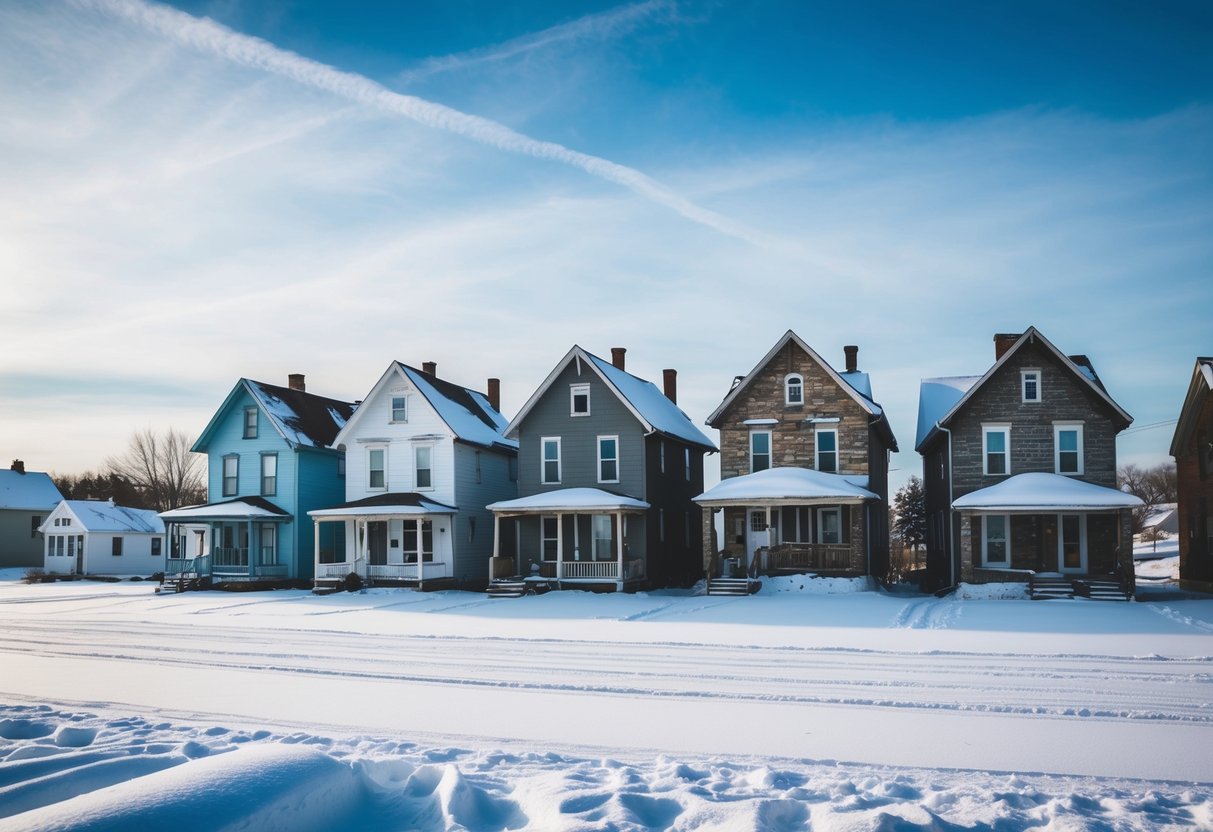
Homeowners should be proactive in caring for their roofs to ensure they last as long as possible. Regular roof inspections and timely repairs can extend a roof’s life significantly, making maintenance an essential task for every homeowner. It is important to know when to consider a replacement, as waiting too long can lead to more extensive damage and higher costs.
Key Takeaways
- Most asphalt shingle roofs last between 15 and 30 years in Ohio.
- Regular maintenance is crucial for extending a roof’s lifespan.
- Higher-quality roofing materials can last over 100 years with proper care.
Key Factors That Impact Roof Longevity

Several key factors affect how long a roof lasts in Ohio. These include the weather and environmental conditions, the quality of installation and materials used, and the importance of regular maintenance and inspections.
Environmental Conditions and Ohio Weather
Ohio experiences a diverse climate, which can significantly impact roof longevity. The state has humid summers and cold winters, creating challenges such as temperature fluctuations.
Heavy snowfall, strong winds, and hailstorms can cause damage over time. For instance, winter ice can form under shingles, leading to leaks. Homes in areas with frequent storms may need more robust roofing materials.
Understanding these environmental factors helps homeowners choose the right roofing options. Selecting materials that can withstand Ohio’s climate is crucial for maintaining roof health.
Quality of Installation and Roofing Materials
The lifespan of a roof greatly depends on how well it is installed. Poor installation can lead to early failures, such as leaks or sagging. Homeowners should ensure their roofers have a good reputation and proper experience.
Choosing high-quality roofing materials also plays a vital role. Asphalt shingles typically last 15-30 years, while materials like slate can last over 75 years. Quality roofing materials can resist UV rays and weather damage, further extending the roof’s life.
A well-installed roof with durable materials is essential for long-term performance.
Regular Maintenance and Roof Inspections
Regular maintenance and roof inspections are key to extending roof lifespan. Homeowners should clean debris from gutters and roof surfaces to prevent water buildup. This helps reduce the risk of mold and leaks.
Inspections should be done at least once a year or after severe weather events. During these inspections, potential problems like loose shingles or damage can be identified early. Prompt repairs can prevent costly issues later.
By prioritizing maintenance, homeowners can significantly increase their roof’s longevity and save on future repair costs.
Common Roofing Materials and Their Lifespans
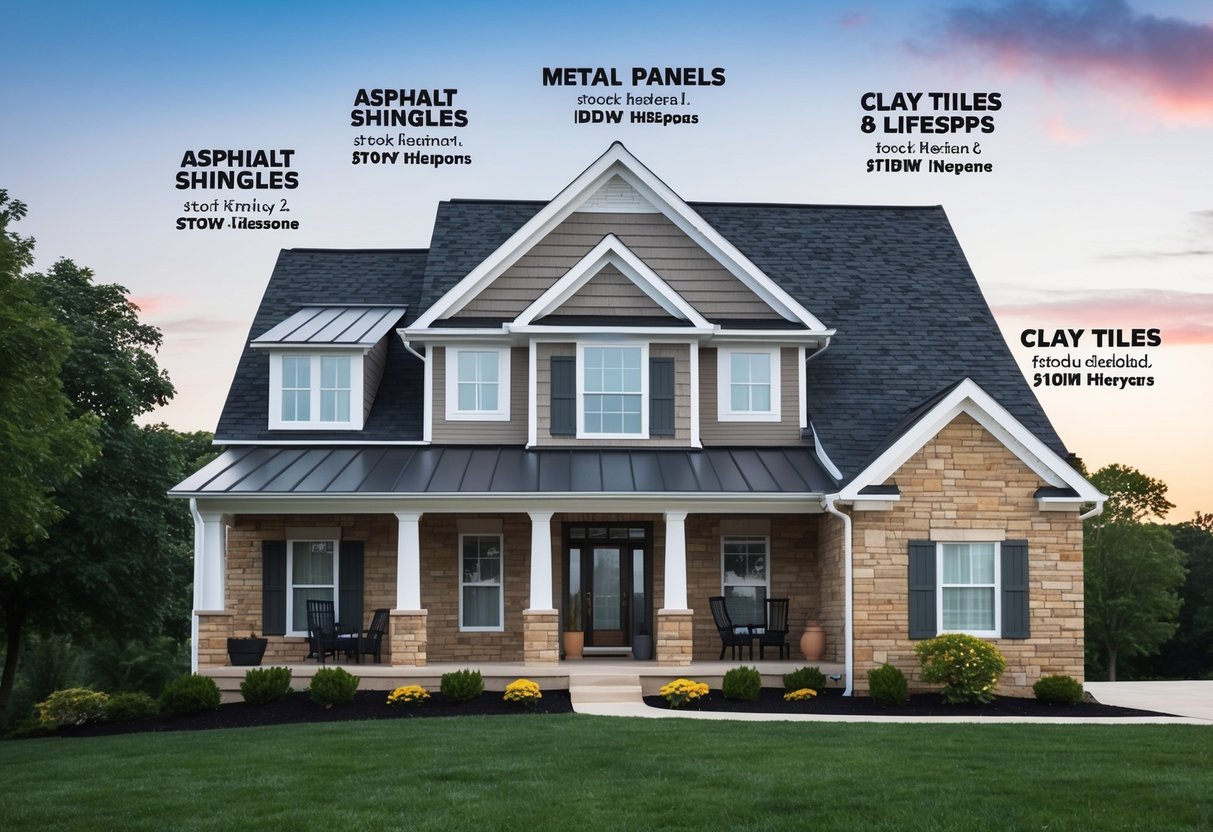
Different roofing materials offer varying lifespans and benefits. Homeowners in Ohio should consider these factors when choosing a roof. Below are two common options: asphalt shingles and metal roofs.
Asphalt Shingle Roofs
Asphalt shingles are one of the most popular roofing materials. They are often chosen for their affordability and ease of installation. The average lifespan of asphalt shingle roofs typically ranges from 20 to 30 years.
Several factors can influence their lifespan. These include:
- Quality of shingles: Higher-grade shingles tend to last longer.
- Installation quality: A properly installed roof will perform better.
- Weather conditions: Severe weather can shorten their lifespan.
It’s essential for homeowners to regularly inspect their asphalt roofs for signs of wear, such as curling or missing shingles.
Metal Roofs
Metal roofs are known for their durability and long lifespan. They can last 40 to 70 years, making them a strong investment for many homeowners. This option is increasingly popular due to its many advantages.
Key points about metal roofs include:
- Material types: Options range from aluminum to steel, each with unique benefits.
- Resistance to extreme weather: Metal roofs perform well against heavy snow, rain, and high winds.
- Low maintenance: Once installed, metal roofs typically require less upkeep compared to other materials.
Choosing a metal roof can lead to long-term savings, but the initial cost is generally higher than asphalt shingles.
Maintaining Your Roof for Optimal Performance
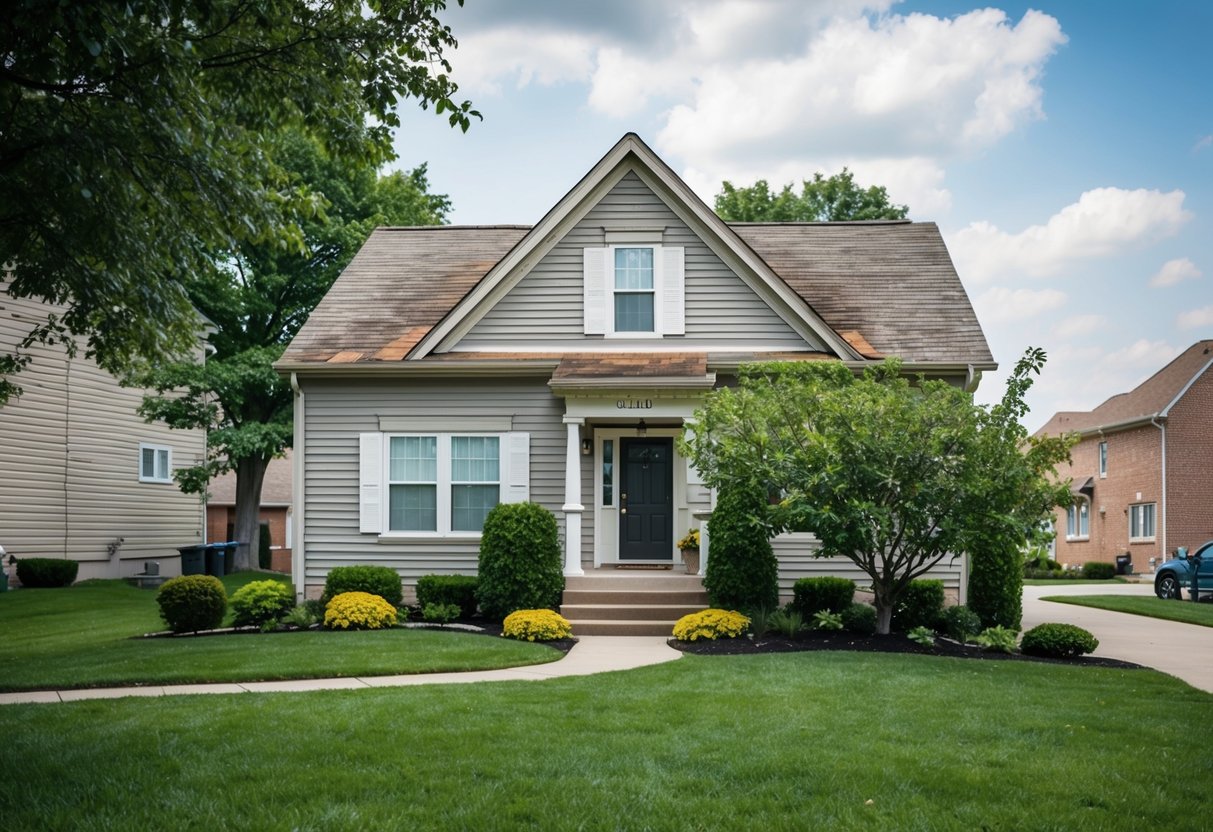
Regular maintenance is key to keeping a roof in good shape. By focusing on preventing problems and keeping the roof clean, homeowners can extend the life of their roof and maintain its performance.
Preventing Algae Growth and Ensuring Proper Ventilation
Algae can thrive on roofs in humid environments. Homeowners should look for dark streaks, which indicate algae growth. To prevent this, installing algae-resistant shingles can help. Regular pressure washing or gentle cleaning of the roof is also effective.
Proper attic ventilation and insulation are essential. Good air flow keeps the roof cool and prevents moisture buildup. This helps avoid further issues like mold or mildew. Roof vents and gable vents should remain unobstructed. Homeowners can improve energy efficiency by ensuring adequate insulation in the attic. Maintaining a balanced ventilation system protects the roof from damage.
The Importance of Clean Gutters and Regular Repairs
Clean gutters are crucial for roof maintenance. Clogged gutters can lead to water pooling, which may cause leaks and damage. Homeowners should check their gutters at least twice a year. Cleaning them helps direct water away from the roof and foundation.
Regular inspections for roof repairs are also important. Homeowners should look for missing or damaged shingles. They must address any issues right away to avoid larger repairs later. Keeping a list of repairs helps track the roof’s condition. This proactive approach ensures that the roof can withstand weather changes and last longer.
When to Consider Roof Replacement
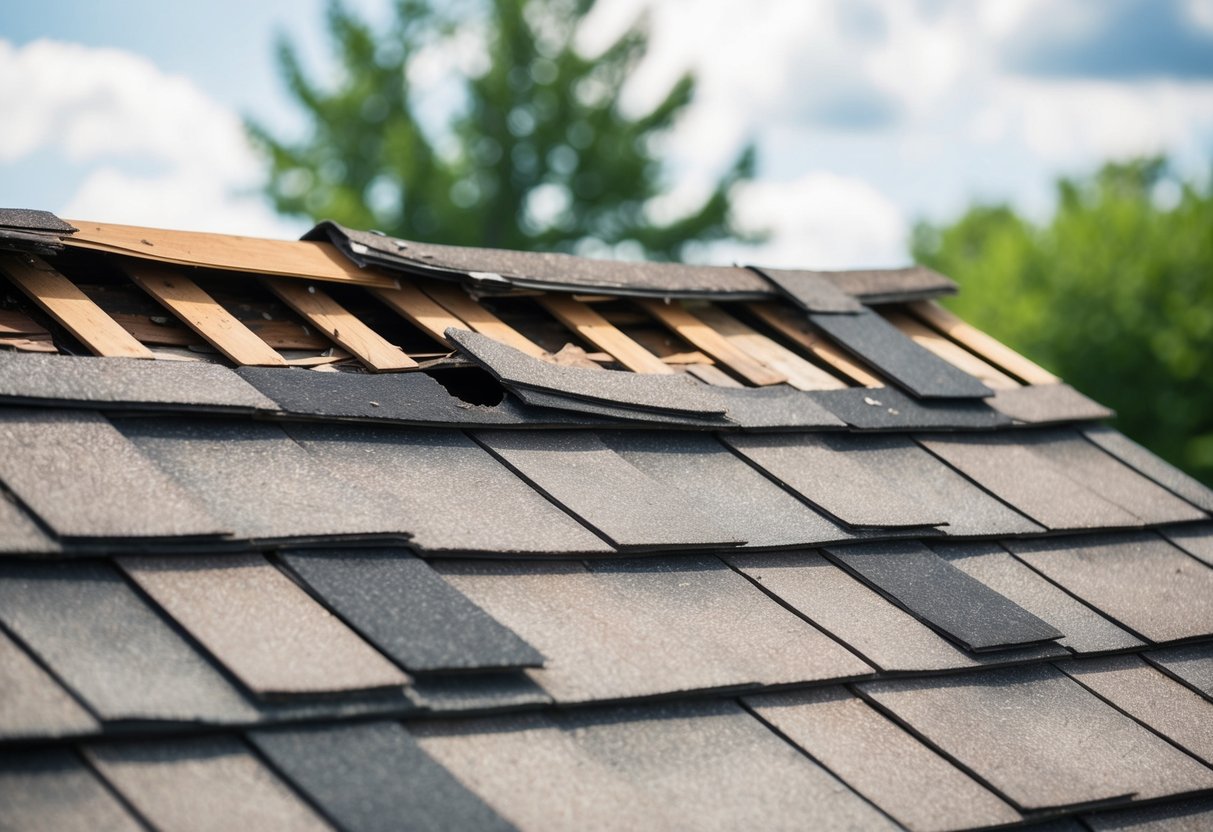
Determining the right time for roof replacement is crucial for maintaining home safety and value. Recognizing signs of damage and selecting a qualified contractor are key steps in this process.
Signs of Roof Damage and Deterioration
Homeowners should be aware of several signs indicating possible roof damage. Common signs include:
- Leaks: Water stains on ceilings or walls suggest roof leaks that need attention.
- Age of Roof: Asphalt shingles typically last 15-30 years, while metal and slate can last 50 years or more. Knowing the roof’s age helps assess its condition.
- Missing or Damaged Shingles: Shingles that are curling, cracked, or missing can reduce the roof’s effectiveness.
- Granules in Gutters: If there are granules in the gutters, it may indicate that shingles are deteriorating.
If multiple signs appear, it may be time for a roof replacement. Acting promptly can help prevent more extensive damage.
Selecting a Suitable Roofing Contractor in Ohio
Choosing the right roofing contractor is essential for a successful roof replacement. Homeowners should:
- Check Credentials: Ensure the contractor is licensed and insured. This protects against liability during repairs.
- Read Reviews: Look for local reviews to gauge customer satisfaction. Positive testimonials often indicate quality work.
- Get Multiple Estimates: Obtain at least three estimates for comparison. This helps in understanding market rates.
- Ask About Warranty: Inquire about material and workmanship warranties. Reputable contractors often offer warranties for peace of mind.
By carefully selecting a qualified contractor, homeowners can ensure their roof replacement is handled effectively and efficiently.
Frequently Asked Questions
This section addresses common questions about roof lifespan and maintenance specific to Ohio. The information covers replacement frequency, costs, life expectancy, and factors affecting durability.
How often should you replace your roof in Ohio?
Roofs in Ohio typically need replacement every 15 to 50 years. The specific timeline depends on the materials used and the maintenance conducted over the years.
How much does a new roof cost in Ohio?
The cost of a new roof in Ohio can range from $5,000 to $25,000 or more. Factors like the type of material, roof size, and labor costs impact the final price.
What is the life expectancy of a roof in Ohio?
The life expectancy of a roof in Ohio varies by type. Asphalt shingles last around 15 to 30 years, while metal roofs can last up to 50 years or more with proper care.
Do 30 year roofs really last 30 years?
A 30-year roof may not reach 30 years due to various factors such as weather, installation, and maintenance. Many shingles begin showing signs of wear after about 20 years.
What factors can affect the longevity of a roof in Ohio?
Several factors impact roof longevity, including the type of materials, installation quality, climate challenges, and regular maintenance. Homes in harsher weather conditions may experience decreased lifespans.
Can extreme weather conditions shorten a roof’s lifespan in Ohio?
Yes, extreme weather can significantly shorten a roof’s lifespan. Heavy snow, strong winds, and hail can damage roofing materials, leading to quicker wear and tear. Regular inspections can help identify issues early.


