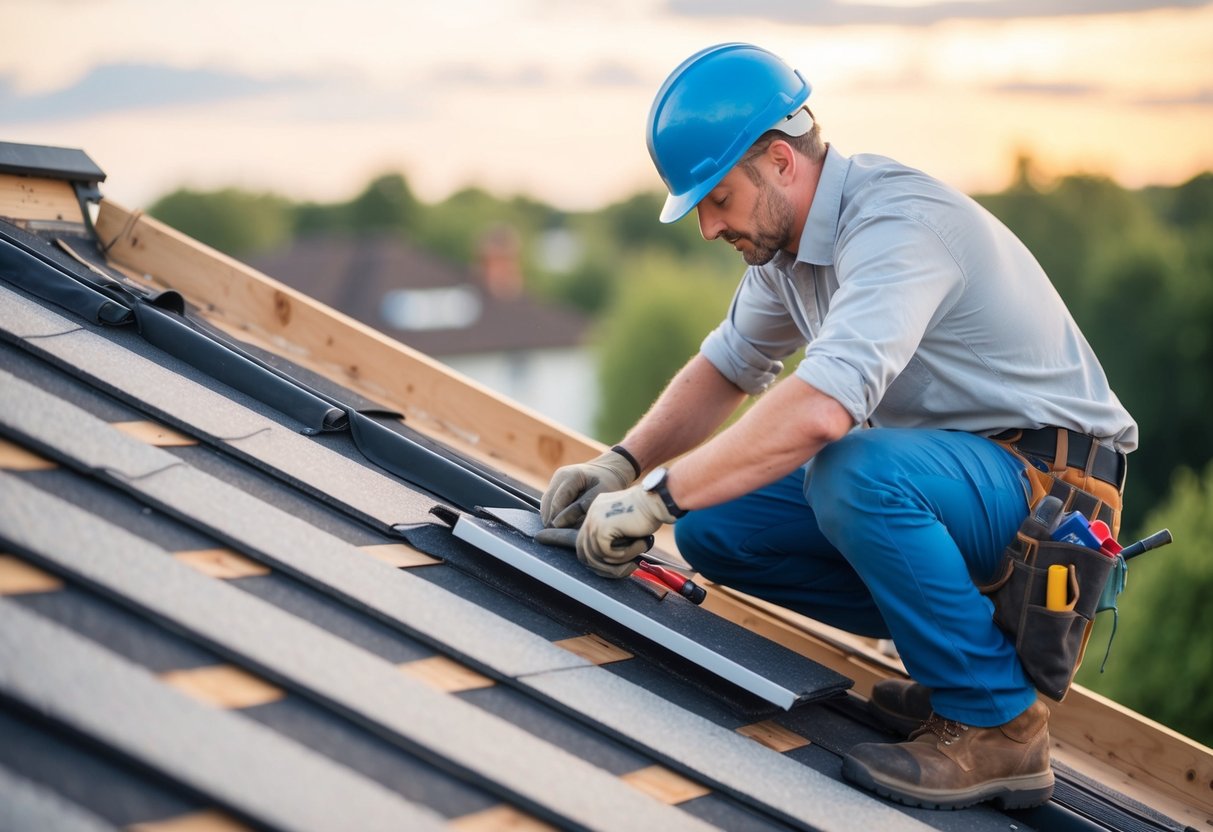
Many homeowners wonder if they can repair a roof instead of replacing it. The good news is that roof repair is often a viable option, especially for minor damage or aging materials that are still in good condition. Regular inspections can help identify areas that need attention, preventing small problems from becoming major issues.
Repairing a roof can save money and time while maintaining the aesthetics and curb appeal of a home. Techniques like patching leaks, replacing damaged shingles, and addressing flashing issues can extend the life of the roof without a full replacement. However, knowing when to repair versus when to replace is essential for protecting both the investment in the home and energy efficiency.
Homeowners should also consider safety and whether professional help is necessary for repairs. Understanding these aspects will lead to effective decisions that benefit the home’s structure and appearance.
Key Takeaways
- Repairing a roof can preserve both its function and aesthetics.
- Regular inspections help to catch small issues early.
- Safety and professionalism are crucial in determining repair needs.
Assessing Roof Damage
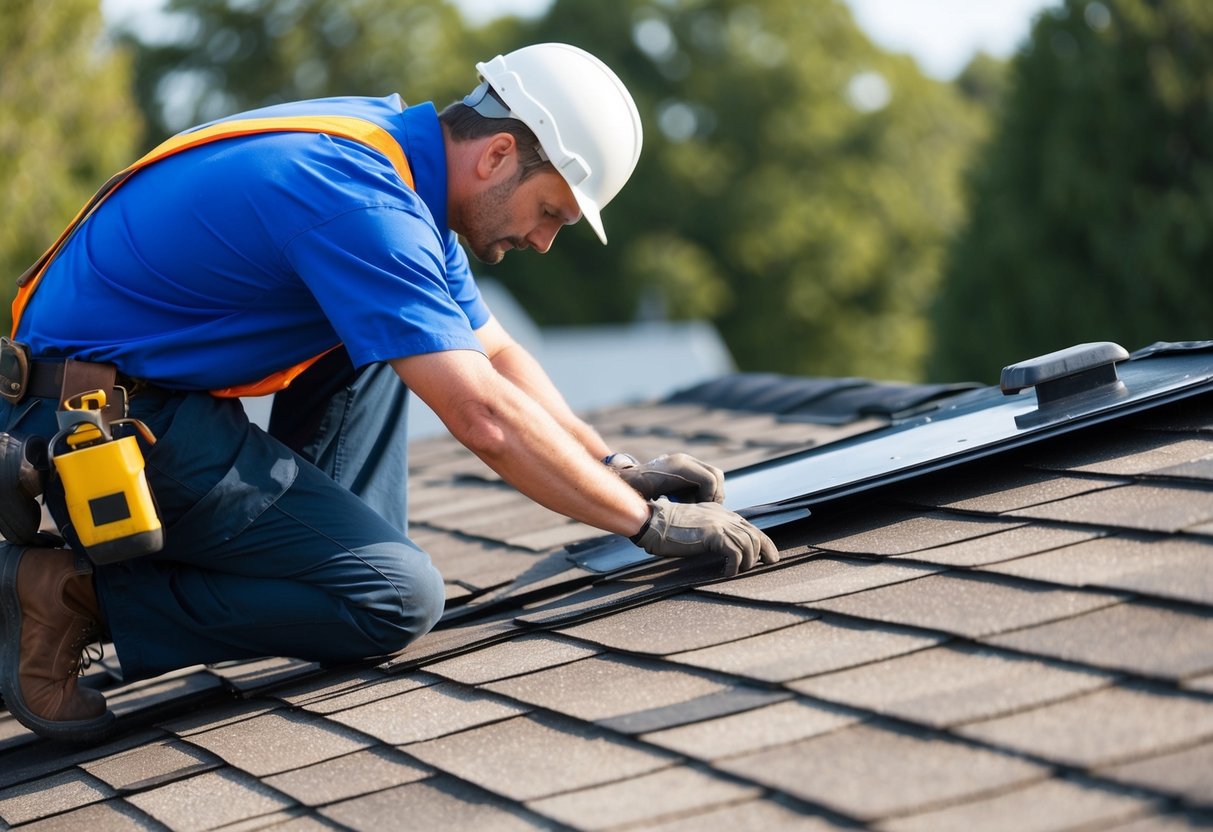
Properly assessing roof damage is crucial for deciding whether repairs can be made without a full replacement. Homeowners should look for specific signs and understand common roofing issues.
Identifying Signs of Roof Damage
Homeowners should inspect their roofs regularly for visible signs of damage. Common indicators include:
- Missing or damaged shingles: Check for broken or absent asphalt shingles on the roof.
- Water stains on ceilings or walls: Look for discoloration, as these can signal leaks.
- Mold and mildew: Growth in the attic or on ceilings can indicate moisture problems from a damaged roof.
- Sagging roof: A droopy or uneven roofline is a serious issue that requires immediate attention.
These signs can help identify problems early. Timely action can often prevent more extensive damage.
Understanding Roofing Issues
There are different types of damage that roofs can sustain. Knowing these can guide repairs.
- Shingle Damage: Worn or curled shingles may need replacement, while minor tears can sometimes be repaired.
- Water Damage: This can lead to wood rot in the structure. It’s vital to find the source of water infiltration as soon as possible.
- Structural Issues: A sagging roof may indicate significant damage beneath. This often requires professional assessment to determine the necessary action.
Recognizing and understanding these issues allows homeowners to address problems early. This may save time and money in the long run.
Repair Over Replacement
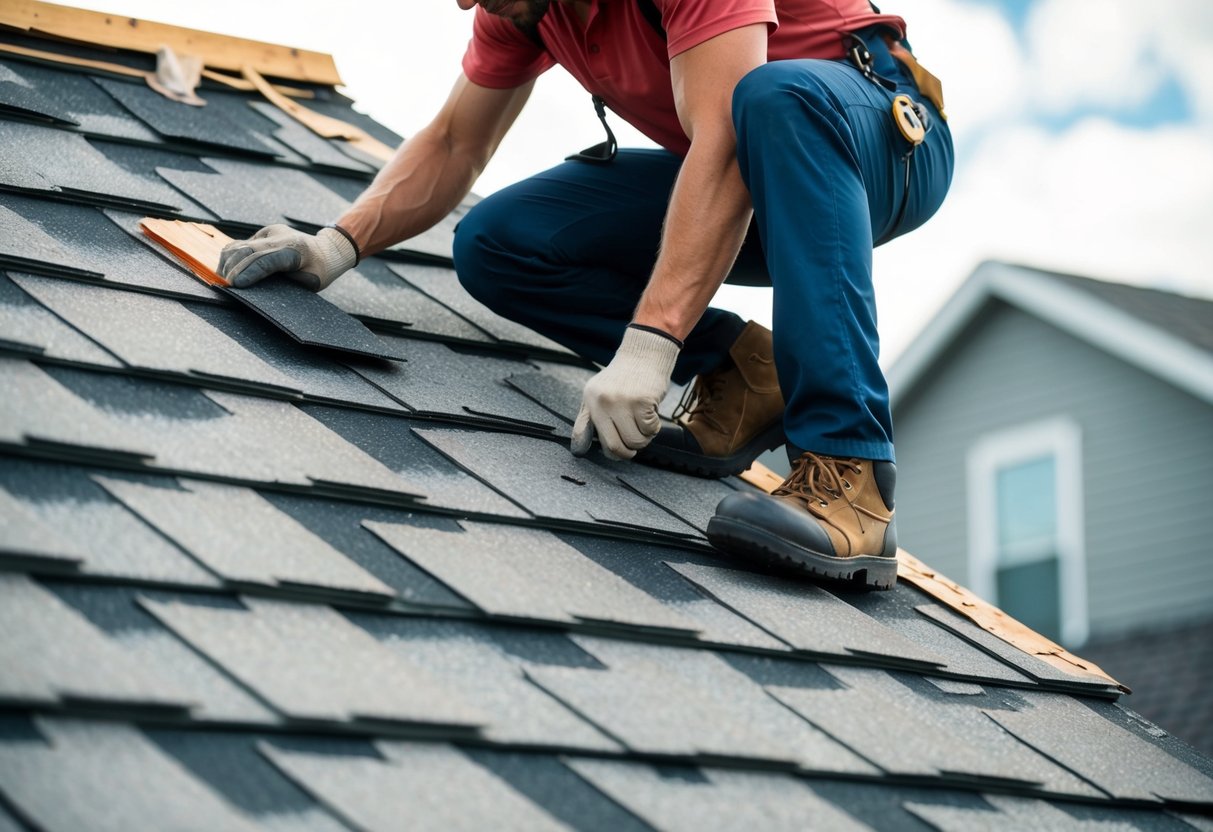
In many cases, repairing a roof can be a practical solution instead of replacing it entirely. Homeowners often seek ways to address specific issues like leaks or damaged shingles without the higher costs of a full replacement. Understanding when repairs are sufficient and the benefits they offer is crucial.
When Roof Repair Is Sufficient
Roof repair is often possible when the damage is localized. Common issues include:
- Leaks: Small leaks can be fixed by sealing them with roofing sealant or caulking. Identifying the source and applying the right materials can stop the leaks effectively.
- Damaged Shingles: If only a few shingles are cracked or missing, they can be replaced individually. This avoids the need for a new roof if the underlying structure is sound.
- Flashing Issues: Repairs to flashing, the metal pieces that direct water away from joints, can also prevent leaks. If flashing is loose or corroded, it can be replaced or resealed without needing a full roof replacement.
Expert inspections can determine if repairs will suffice based on the roof’s condition.
Benefits of Repairing vs. Replacing
Choosing to repair instead of replace offers several advantages:
Cost-effectiveness: Repairing small sections is usually cheaper than a complete roof replacement. A homeowner may save thousands of dollars by focusing on repairs.
Minimal Disruption: Repairing takes less time and usually disrupts daily life less than a full roof replacement. This is important for those living in the home.
Increased Longevity: Regular maintenance and timely repairs can extend the life of a roof significantly. This can help homeowners maximize their investment.
Environmental Impact: Repairing a roof reduces waste. Instead of disposing of old materials, repairs keep them in use longer.
By assessing conditions and taking action at the right time, it is often possible to manage roof issues with repairs instead of costly replacements.
Effective Roof Repair Techniques
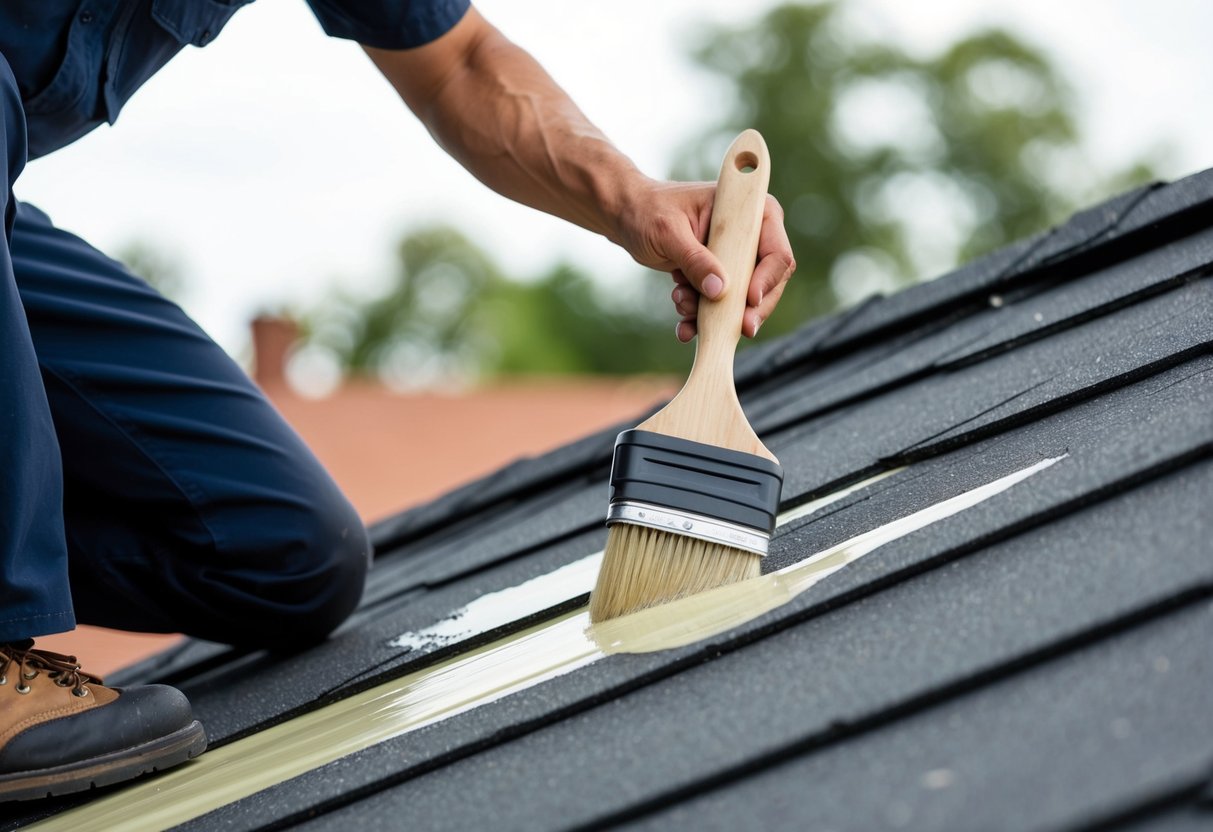
Repairing a roof can save time and money when done correctly. Various techniques can help address issues like leaks and prevent further damage to the structure.
Fixing Leaky Roofs
A leaky roof needs immediate attention to prevent water damage. Identifying the source of the leak is essential. Common areas to check include:
- Flashing around vents and chimneys
- Seams in the roofing material
- Roof valleys where water collects
Once the leak is found, use roofing cement to seal small cracks or holes. For larger issues, it may be necessary to replace damaged shingles or tiles. Applying a watertight seal can effectively stop current leaks and hinder future ones.
Preventing Water Damage
Preventing water damage starts with routine inspections. Bi-yearly checks help spot problems early. Homeowners should look for:
- Moss or algae growth, which can indicate moisture issues
- Sagging areas that suggest structural damage
- Clogged gutters, which can lead to water backup
Maintaining gutters and downspouts ensures effective drainage. Installing a roof underlayment also adds a layer of protection against leaks. Maintaining roofing materials is crucial to avoid costly repairs from water damage over time.
Sealing and Structural Repair
Proper sealing of the roof is key to long-term durability. Use roofing cement to create a watertight roof deck. This may involve applying cement around flashings and seams.
If structural damage is identified, it may need immediate repair. Supporting beams or rafters can be reinforced. If sections of the roof are compromised, partial replacement may be necessary. Always ensure that repairs maintain the roof’s integrity. Regular maintenance checks can help keep the roof in good condition and avoid larger repairs in the future.
Safety and Professional Considerations
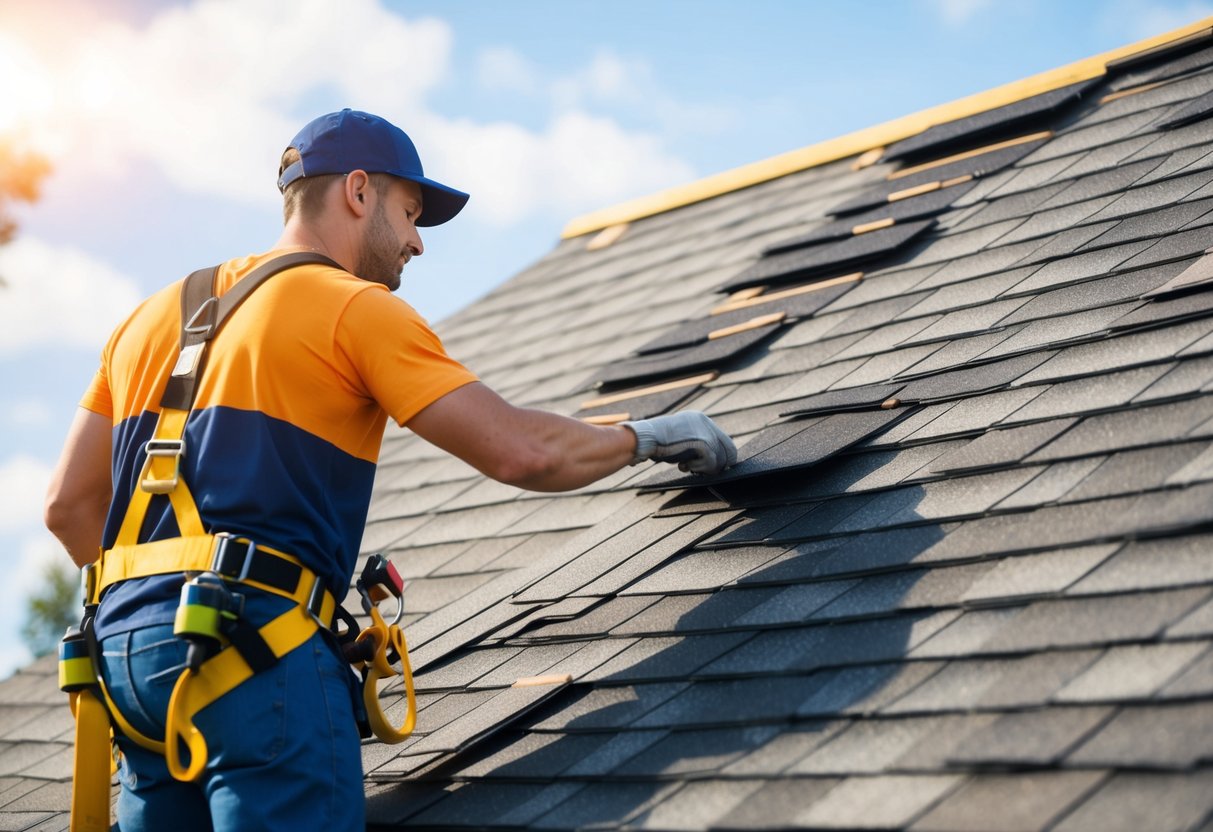
Safety is crucial when dealing with roof repairs. Choosing to hire a professional or attempting a DIY repair requires careful thought. Each option has its own safety measures and considerations that should not be overlooked.
Hiring a Professional Roofer
When hiring a professional roofer, it is important to check credentials. She should look for licensed and insured roofing contractors. This ensures that they meet safety and quality standards.
A professional roofer has experience in identifying structural issues that an untrained eye may miss. They also understand local building codes and regulations. These experts use proper safety equipment like harnesses and helmets, which protects them while working on the roof.
Before hiring, it is wise to request multiple quotes. Compare services and check reviews for reliability. A qualified roofer can help complete the job efficiently and safely.
DIY Roof Repair Safety
For those choosing to repair the roof themselves, safety equipment is essential. This includes well-fitted harnesses, sturdy ladders, and safety goggles. Proper footwear with slip-resistant soles is also critical when working on rooftops.
Before starting any work, she should thoroughly inspect the roof’s condition. If there are signs of significant structural issues, it is best to call a professional.
During repairs, avoid working alone. Having someone nearby can provide help in case of an emergency. It is also vital to ensure that the weather is safe for roof work—clear skies and calm winds are ideal.
Financing and Protecting Your Investment
Repairing a roof without replacing it can save money and extend the roof’s life. Understanding financing options and committing to long-term maintenance are essential steps in protecting this investment.
Roof Financing Options
Homeowners have several options for financing roof repairs. Personal loans are one choice. They provide a lump sum that homeowners can repay in fixed monthly payments. This can be beneficial for those who need quick access to funds.
Another option is to look into specialized home improvement loans. These loans often have features tailored for projects like roof repairs or replacements. For instance, some programs eliminate the need for extensive paperwork, allowing for application through websites or apps.
Property Assessed Clean Energy (PACE) financing is also available in certain areas. This program allows homeowners to pay for repairs through their property taxes rather than upfront costs. Understanding these options can help homeowners select the right fit for their budget.
Long-Term Roof Maintenance
Protecting a roof investment involves regular maintenance. Small repairs can prevent larger issues like leaks or aesthetic damage. Homeowners should schedule inspections at least once a year to catch any problems early.
Another aspect of maintenance is cleaning. Removing debris can improve a roof’s longevity and curb appeal. Homeowners can hire professionals for this or use safe methods to clean their roof surfaces regularly.
Investing in high-quality materials for repairs can also ensure a longer-lasting solution. This minimizes future costs and protects not just the roof, but the entire home’s structure. A proactive approach to maintenance is key to making the initial investment worthwhile.
Frequently Asked Questions
This section addresses common questions about roof repairs versus replacements. It covers signs indicating repair is possible, cost differences, and available assistance.
What are the signs that a roof can be repaired instead of replaced?
Visible signs of damage include small leaks, missing shingles, or localized wear. If the underlying structure remains sound and damage is minor, repairs may be sufficient.
How does partial roof repair compare to a full roof replacement in terms of cost?
Partial repairs are generally less expensive than a full replacement. Costs vary based on the extent of damage and the materials needed for the repair.
What assistance programs are available for homeowners needing roof repairs or replacements?
Many communities offer programs for low-income homeowners. Local charities or government grants may fund roof repairs or replacements for those in need.
Are there options available for financing a roof replacement for those who cannot afford it upfront?
Homeowners can explore financing through banks, credit unions, or specialized lenders. Some roofing companies also offer payment plans or financing options.
What factors should be considered when deciding between roof repair and replacement?
Consider the age of the roof, extent of damage, and future plans for the home. An expert evaluation can help determine the best option for maintaining the roof’s integrity.
Can homeowner’s insurance cover the costs of getting a new roof?
Homeowner’s insurance may cover roof replacement costs if the damage results from a covered event, like a storm. Reviewing the policy details is essential to understanding coverage limits.


